
When winter arrives, most homeowners focus on staying warm—but indoor air quality often gets overlooked. Colder months bring unique air quality challenges that can quietly affect comfort and overall home performance. With windows closed and heating systems running more frequently, indoor air can become dry, stale, and filled with airborne particles. Understanding winter-specific indoor air hazards is an important step toward maintaining a healthier, more comfortable home.
Dry Indoor Air and Winter Comfort
One of the most common winter air quality issues is dry air. As heating systems run, moisture is removed from the air, leading to low indoor humidity levels. Dry air can make a home feel uncomfortable even when temperatures are set correctly.
Low humidity can also affect heating performance. When the air is too dry, it may feel cooler than it actually is, causing systems to run longer than necessary. Maintaining balanced humidity improves comfort and supports more efficient operation throughout winter.
Increased Dust from Frequent System Use
During colder months, heating systems operate more often, circulating dust through the home. Dust buildup inside ductwork, on vents, and in filters becomes more noticeable with daily system use.
If filters aren’t checked regularly, dust and debris can recirculate through living spaces and restrict airflow. Routine filter changes and system maintenance help reduce airborne particles and support consistent airflow during winter.
Humidity Imbalances and Stale Air
While dry air is common, uneven humidity levels can also cause issues. Certain areas of the home may experience moisture buildup due to temperature differences and limited ventilation. These imbalances can make indoor air feel heavy or stale.
Balanced humidity plays a key role in overall indoor air quality. Professional evaluations help determine whether adjustments are needed to maintain comfort throughout the home.
Reduced Ventilation During Winter
Cold weather often leads homeowners to keep windows and doors tightly sealed. While this helps retain heat, it also limits fresh air exchange. Reduced ventilation allows indoor pollutants to linger longer and impacts air freshness.
Without proper ventilation, everyday activities can contribute to declining indoor air quality. Heating systems benefit from ventilation strategies that improve circulation without sacrificing winter comfort.
Heating Systems and Air Quality
Heating systems play a major role in winter air quality. Dirty components or neglected maintenance can reduce airflow and filtration effectiveness, allowing airborne particles to circulate more easily.
Routine heating maintenance ensures filters, blowers, and internal components function properly. A well-maintained system supports cleaner air and dependable heating performance.
Signs of Poor Indoor Air Quality
Many homeowners don’t realize indoor air quality has declined until discomfort becomes noticeable. Common signs include persistent dryness, increased dust on surfaces, uneven temperatures, or air that feels stale. Addressing these concerns early helps prevent further issues and supports a healthier indoor environment during colder months.
How Professional IAQ Services Help
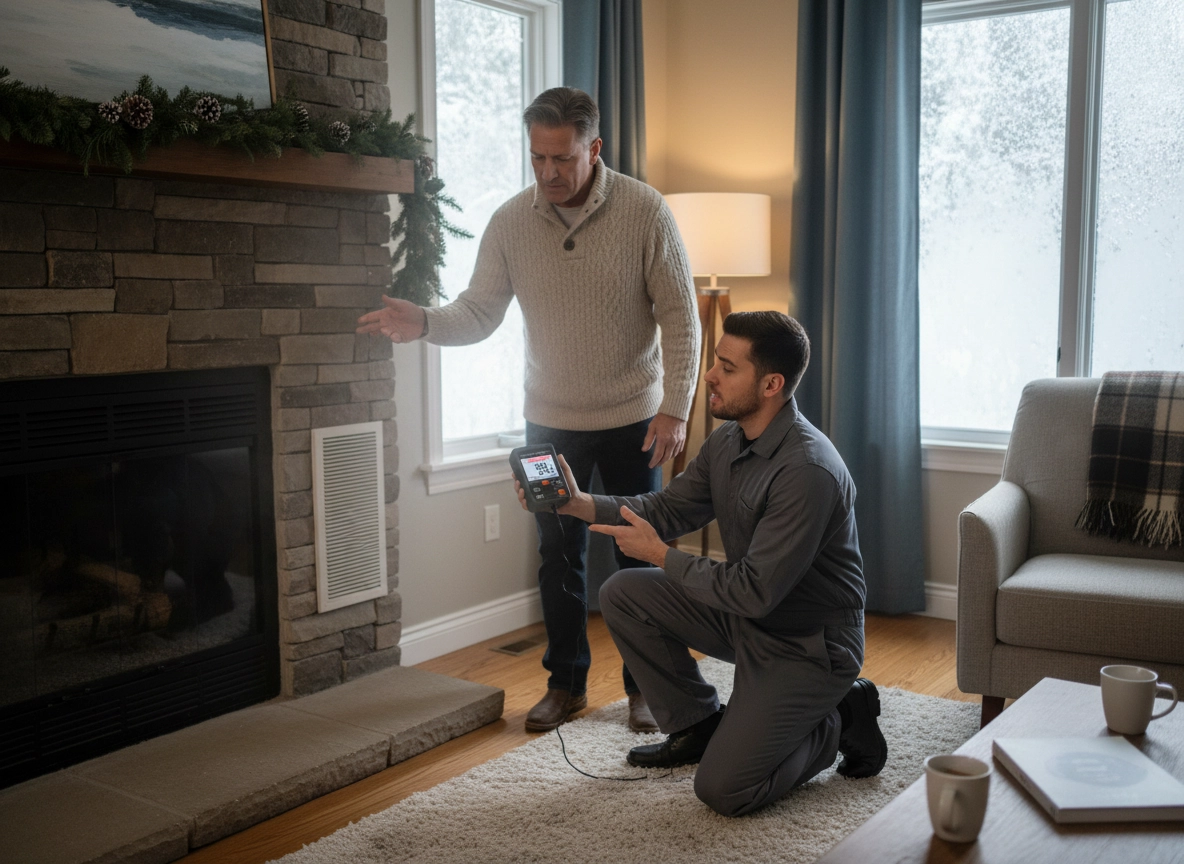
Professional indoor air quality services assess humidity, airflow, filtration, and ventilation. Technicians identify hidden issues and recommend solutions that improve air quality without disrupting comfort. By addressing winter-specific air quality challenges, homeowners can enjoy cleaner, more comfortable air all season long.
JMS Air Conditioning and Heating has your back. Contact us today to schedule an indoor air quality evaluation.