High humidity doesn’t just make your home feel warmer. It can also affect the air you breathe, trap contaminants, and force your HVAC system to work harder than it should. Many Los Angeles homeowners assume indoor air quality is only about dust or allergies, but humidity plays a much bigger role than most people realize. Our team at JMS Air Conditioning and Heating helps homeowners improve indoor air quality every day. Here’s what you should know about how humidity affects the air inside your home.
How Does Humidity Affect Indoor Air Quality?
Indoor humidity changes how comfortable your home feels and how healthy your indoor environment can be. When humidity stays too high, moisture creates conditions where mold, mildew, dust mites, and bacteria are more likely to thrive. At the same time, your home may feel sticky or uncomfortable, even if the thermostat is set where you want it. Maintaining balanced humidity helps create a cleaner, more comfortable living space throughout the year.
What Happens if Your Home Is Too Humid?
Excess moisture can cause problems that extend well beyond comfort. Some of the most common issues include:
- Increased mold and mildew growth
- More dust mites and allergens
- Musty odors
- Condensation on windows
- Warped wood flooring or furniture
- An air conditioner that runs longer than necessary
Many homeowners respond by lowering the thermostat, but that doesn’t always solve the underlying humidity problem. In many cases, controlling moisture with the right indoor air quality solution is more effective than simply making your home colder.
What Happens if the Air in Your Home Is Too Dry?
While high humidity gets most of the attention, air that’s too dry can also create problems. During cooler months or when heating systems run frequently, low humidity may contribute to:
- Dry skin and irritated eyes
- Scratchy throats
- Static electricity
- Cracked wood furniture or flooring
- Increased discomfort indoors
Maintaining balanced humidity helps protect both your family’s comfort and your home. If your indoor air feels excessively dry or you notice these issues throughout the season, a whole-home humidifier may help restore healthier moisture levels.
What’s the Ideal Indoor Humidity Level for Your Home?
Most homes are most comfortable when indoor humidity stays between 30% and 50%. Staying within this range helps reduce excess moisture while preventing overly dry indoor air. If humidity constantly falls outside that range, it may be time to look beyond your thermostat and consider your home’s indoor air quality.
How Can You Improve Your Home’s Indoor Air Quality?
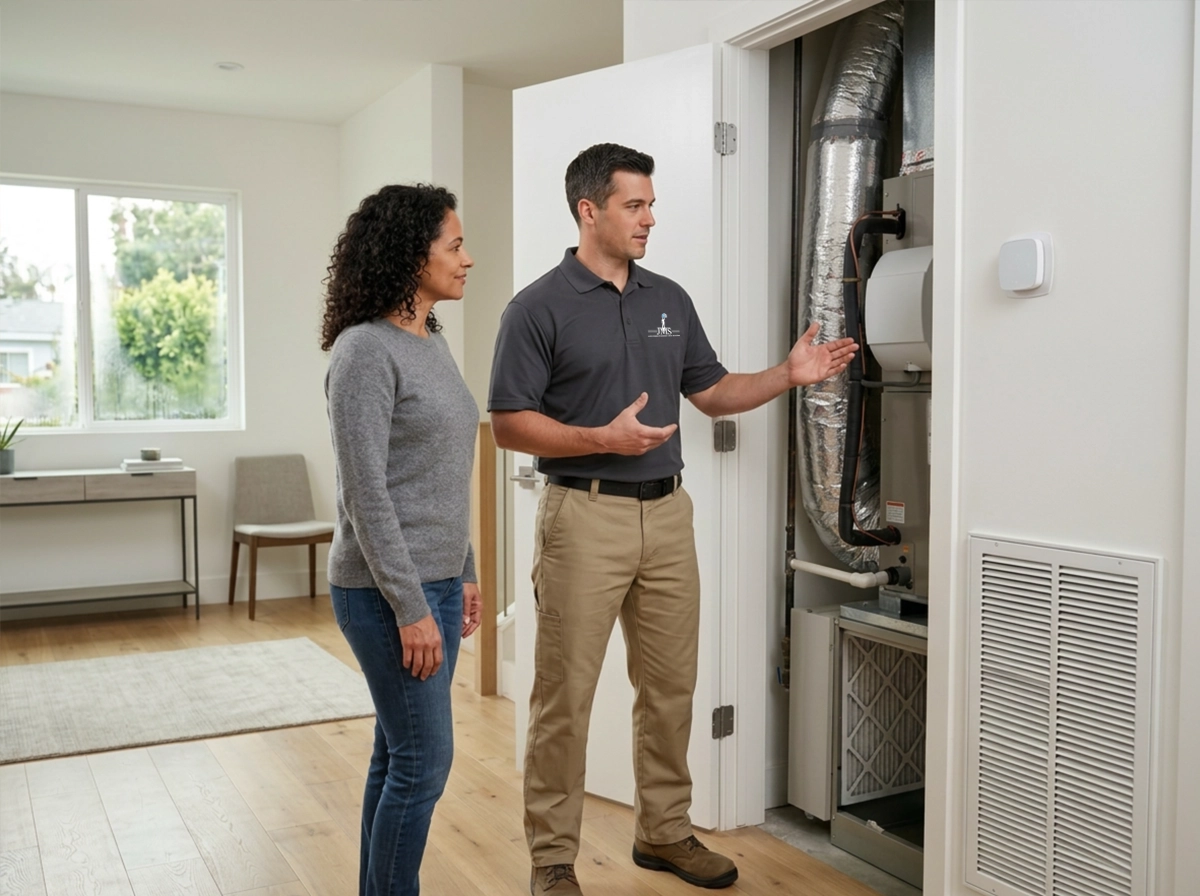
The right approach depends on whether your home struggles with excess humidity, dry indoor air, or airborne contaminants. After evaluating your home’s comfort and HVAC performance, your technician may recommend:
- Whole-home dehumidifiers
- Whole-home humidifiers
- High-efficiency air filtration
- Air purification systems
- Regular HVAC maintenance
Regular maintenance also keeps your equipment clean, improves moisture removal, and allows small problems to be addressed before they affect your comfort or indoor air quality.
Which Indoor Air Quality Solutions Are Right for Your Home?
Humidity affects far more than comfort. It can influence your home’s air quality, your HVAC system’s performance, and even the condition of your home. If you’ve noticed persistent humidity issues, musty odors, or ongoing comfort problems, a professional evaluation can help identify the cause and recommend the right solution.
Contact JMS Air Conditioning and Heating today for indoor air quality solutions, HVAC service, or system maintenance. With a 100% Satisfaction Guarantee and service for all makes and models, we’re here to help you enjoy a healthier, more comfortable home.